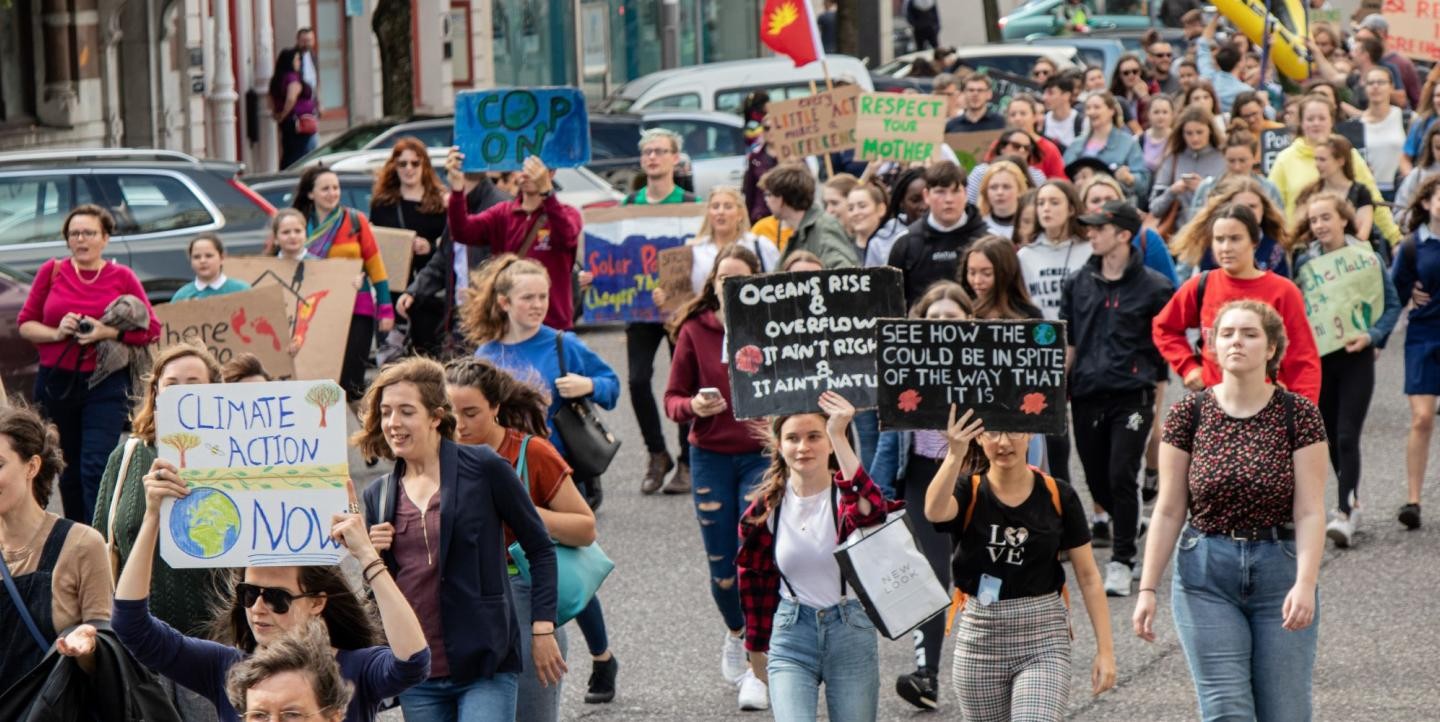
I dont know you but im getting very tired of almost every year have this people spending so much money to have this greatest world climate meetings, where every government present in United Nations is present to talk about climate change and take actions.
Lets revise what been promised in 3 past reunions COP26, COP28 and COP30, like voluntary promises to cut methane (1), another year food declaration with no emissions target (4), last year been more excuses than ever giving simple talk that they need more time, that making the main decision directly avoid mention food target for this emissions (5).
Going more deep on this and analyze more closer we can see the promises been maded in 2021 most of the countries, they took easy way, making it all voluntary with no targets been bind to any sector or farm animals, that mean global livestock methane in reality never even close to cut or been cutted (1, 2). The most data presents that in the past 5 years counting from 2020 to 2025 this actually number been growing (2), instead going down like they pretend to make all methane from 2020 to 2030 by -30% (1), somebody can explain to me how we should dealing with this, and how seriously we can take all this meetings, promises? For make even probably possible this numbers real to get that cut by 30% we should start including livestock methane, that mean food declaration need to start doing their job or is somebody not interested that this really happening? This question i gonna let you to answer by yourself. That mean all this proclamations of we gonna reduce, make better its sounds misleading declarations to the public and make believe that things advance more than they really are.
Let me go and check how we really making this projections and targets of data. Or what a surprise by voluntary plans been maded by countries counting against business as usual (3), great job putting all this data in the computer and make projections on something is been totally gave by best intentions in the world without real commitment.
But lets see what that computer projections telling us, in the UN projections coming from UNEP, our farm methane alone would be 8% above 2020 by 2030 without doing nothing else (1). Lets get closer to IEA 2026 projections, by meeting their own climate change plans, all sectors methane data would be raising about 15% by 2030 (3), and signers been telling us they been working on go down by -30% (1).
Lets not talk about promises and analyze some real data, we not should jumping on this like a win but real progress and can be apply for the future too. Data coming from NOAA shows that methane measurements in the air been raising more slowly in 2025 (2), 62 of 103 updated national plans now have livestock measures (still none with numbers) (8), and Denmark agreed for a livestock tax in 2030 (not yet tax law) (8). But where i truly wanna focus in official data by EU showing that farm methane fell 21% from 1990 to 2020 EEA data (6) and UK almost similar data coming by 18% from 1990 to 2024 DEFRA data (7).
Now my question is why we getting different vision of this data, one of us telling that global methane is raising, another air slowing, and with EU and UK data we really see that is going down. The good news of this that this been acknowledged by reducing of livestock on farms (plus efficiency in EU) (6, 7), sounds like plan is working but...
If EU and UK found the solution by reducing and having fewer livestock on farms (6, 7), how that possible like we mention before world EDGAR model estimate used from 2020 to 2025 got increase methane livestock by 3.5% (2)? By this we only can ask ourselves does the real numbers by applying by countries actually cutting them like they doing promises in their climate plans? Does industries have changed and countries fund them to help implement that changes? Because only what we hear from the industry to governments telling, that they dont need to reduce the number of animals or shift to plant based food, because they think that they can keep farming just as many animals they want and fix methane and another climate problems with technology and efficiency.
And here is the real trap of this data by EU 2010 to 2020 presented data showing fewer animals went down, but methane from fewer dairy animals went back up (6). EEA says this could be explained by several factors, as in the cows example milk per cow, feed and methane per cow all went up (6) while cows been pushed in factory farms.
My question is here very clear how long we gonna celebrate of voluntary promises in this kind climate summits, when we clearly see pattern in COP28 of food celebrations in food declaration never been wrote or mention nothing about livestock (4) and refusing to put binding rules on farmed animals. Even we start seeing the pattern in DeSmog count of big agribusiness lobbyists showing in this summits, for the COP28 been 340 of them, for COP29 been 204, for COP30 302 (5), what we can expect for this COP31? Or lets data talks by herself.
Now that we know from EU and UK data that having fewer animals on farms can help and prevent grow methane from farms (6, 7), why numbers of livestock still is not obligation. Even still having four years of farm talks to reach deadline of COP31 (which is running until 20 November with no clear decision yet) (5) by promises rules countries not obligated to set caps for methane coming from factory farms (1).
We need to start asking more than for promises, lets stand up and start demanding from each government of UN at COP31 consider start implementing numbers of livestock methane in each national climate plans because right now besides New Zealand almost doesnt exist clear and obligated target for this (9).
Sources
(1) Global Methane Pledge (COP26, 2021) and UN Environment Programme (UNEP) & Climate and Clean Air Coalition, Global Methane Assessment (2021) and Global Methane Status Report (2025, cited via UN June 2026 paper and Down To Earth).
bidenwhitehouse.archives.gov · un.org · downtoearth.org.in
(2) European Commission Joint Research Centre, EDGAR (Emissions Database for Global Atmospheric Research) 2026 release (sum of country rows for livestock digestion and manure methane, 2020-2025 model estimates), and US National Oceanic and Atmospheric Administration (NOAA) Global Monitoring Laboratory atmospheric methane growth data (2021-2025).
edgar.jrc.ec.europa.eu · gml.noaa.gov
(3) International Energy Agency (IEA), Global Methane Tracker 2026, p. 29 (projection of all-sector methane in Global Methane Pledge countries to 2030 and business-as-usual NDC baselines).
iea.org · iea.org (key findings)
(4) COP28 UAE Declaration on Sustainable Agriculture, Resilient Food Systems, and Climate Action (December 2023).
wri.org
(5) UNFCCC COP30 Belém Political Package / Mutirão decision (reported via Carbon Brief) and Decision 3/CP.27 four-year Sharm el-Sheikh agriculture process (confirmed via FAO and CGIAR); DeSmog count of provisional UNFCCC participant lists at COP28, COP29, and COP30.
carbonbrief.org · fao.org · cgiar.org · desmog.com · desmog.com · desmog.com
(6) European Environment Agency (EEA), EU greenhouse gas inventory and briefings on agricultural methane and dairy cattle digestion emissions (1990-2020).
eea.europa.eu
(7) UK Department for Environment, Food & Rural Affairs (DEFRA), Agriculture in the United Kingdom 2025, chapter 11 (UK agricultural methane inventory, 1990-2024).
gov.uk
(8) Environmental Defense Fund (EDF) analysis of updated national climate plans (NDCs) containing livestock measures (62 of 103); Government of Denmark, Agreement on a Green Denmark (Grøn Trepart, 2024 political agreement for a 2030 livestock methane tax).
blogs.edf.org · skm.dk · klimaraadet.dk
(9) New Zealand Climate Change Response (Zero Carbon) Amendment Act 2019 (and December 2025 target amendment for biogenic methane); UN paper (June 2026) on national climate plans containing farm methane targets.
climatecommission.govt.nz · UN paper (see source 1)